
When should you winterise a static caravan?
Drain down before the first hard frost. What winterisation covers, when to book it on the Lincolnshire coast, and what spring reconnection involves.
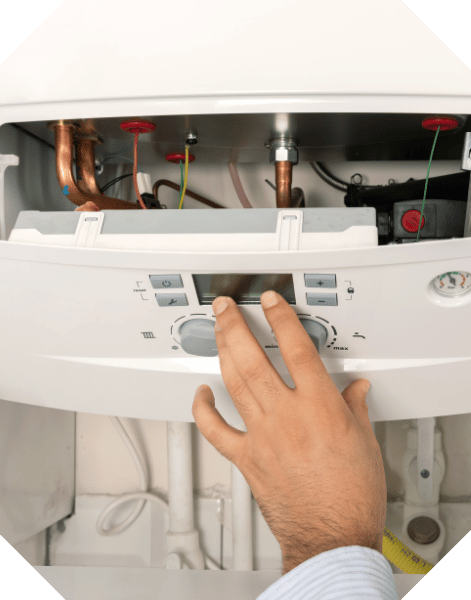
Burst pipes are the single most expensive thing that happens to a static caravan over winter, and very nearly the most avoidable. Water expands as it freezes; plastic push-fit and copper alike split, and the damage isn't discovered until someone opens up in March and finds the ceiling on the floor. On the Lincolnshire coast the safe window to drain down is late October to mid November, before the first sustained frost.
Why timing matters more than people think
A single overnight frost rarely causes damage. The problem is a sustained cold spell — two or three days below freezing — which is enough for standing water in an uninsulated underfloor run to freeze solid. Coastal sites at Ingoldmells, Chapel St Leonards, Anderby Creek and Mablethorpe are exposed, and vans sitting up on axle stands lose heat from underneath on all sides.
Leave booking until the forecast turns and you'll be joining a queue. Every engineer on the coast is drained-down flat out through the first fortnight of November.
What winterisation involves
A proper drain-down is more than turning off a stopcock:
- Isolating the incoming mains supply at the site connection
- Draining the water heater completely, including the drain valve and safety valve
- Opening all taps, the shower and the mixer, and draining the toilet cistern and flush pipe
- Blowing through the pipework with compressed air so no water sits in low points, dips or the shower hose
- Draining the outside tap and any washing machine feed
- Adding antifreeze to all traps — basin, sink, shower and WC — so they don't crack and don't lose the water seal
- Isolating the gas at the bottle and leaving the appliances safe
- Draining a wet central heating system, or verifying the antifreeze concentration where the system is designed to stay filled
- Leaving cupboard doors and the fridge open, and internal doors ajar for airflow
We finish with a written record of what has been drained and what needs doing at reconnection, so nothing is missed in spring.
"I'll just leave the heating on low"
It works right up until it doesn't. Leaving the heating ticking over relies on three things all holding for four months: mains power, a boiler that never locks out, and nobody tripping the RCD. A site-wide power cut over a January weekend, a lockout fault, or a spent gas bottle leaves the van unheated for days.
It's also expensive. Heating an unoccupied van through a Lincolnshire winter costs far more than a drain-down, and most site insurance policies expect the van to be properly winterised anyway — leaving it filled can be enough for a burst-pipe claim to be declined. Check your policy wording before you decide.
What owners get wrong
- Draining the taps but not the water heater. The heater holds the largest volume of water in the van and is the most expensive thing to replace.
- Forgetting the shower hose, which holds water in its loop and splits at the fitting.
- Skipping the traps. They freeze, crack, and you don't find out until water runs under the floor in spring.
- Turning the gas off but not checking the appliances. Leave a heater switch on and it will attempt to fire the moment gas returns.
- Assuming the site does it. Very few sites include winterisation in the pitch fee.
Spring reconnection
In March or April the process reverses, and it needs doing properly:
- Close all drain points and refill slowly
- Pressure test the system and check every joint that moved over winter
- Recommission and refill the water heater before any power or gas goes near it
- Relight and check the gas appliances, run a gas tightness test and check for spillage
- Check the flue and ventilation are clear of nesting material — a very common find
- Flush through and sanitise the water system before use
- Test the smoke and CO alarms
Book winterisation and reconnection together and you'll get the dates you want rather than whatever's left when the season starts.
Caravan care plans
Our caravan plans bundle the annual gas safety check, winterisation and spring reconnection into one monthly payment, with priority call-out if something does go wrong on site. It removes the two phone calls you'd otherwise be making at the busiest times of the year, and it spreads the cost.
We cover static caravans and holiday homes across the Lincolnshire coast — Skegness, Ingoldmells, Chapel St Leonards, Anderby Creek, Mablethorpe and the surrounding parks.
Need your boiler serviced in Lincolnshire?
Our Gas Safe engineers cover the whole county. Book a one-off service or ask about our monthly care plans.